

What Happens to Everything in the House When a Senior Downsizing Move Begins?
Table of Contents
Start With the New Home, Not the Old One
Category 1: What Goes to the New Home?
Category 2: What Should Go to Family?
A Simple Way to Handle Family Requests
Category 3: What Might Be Worth Selling?
Should You Hold an Estate Sale?
Category 4: What Should Be Donated?
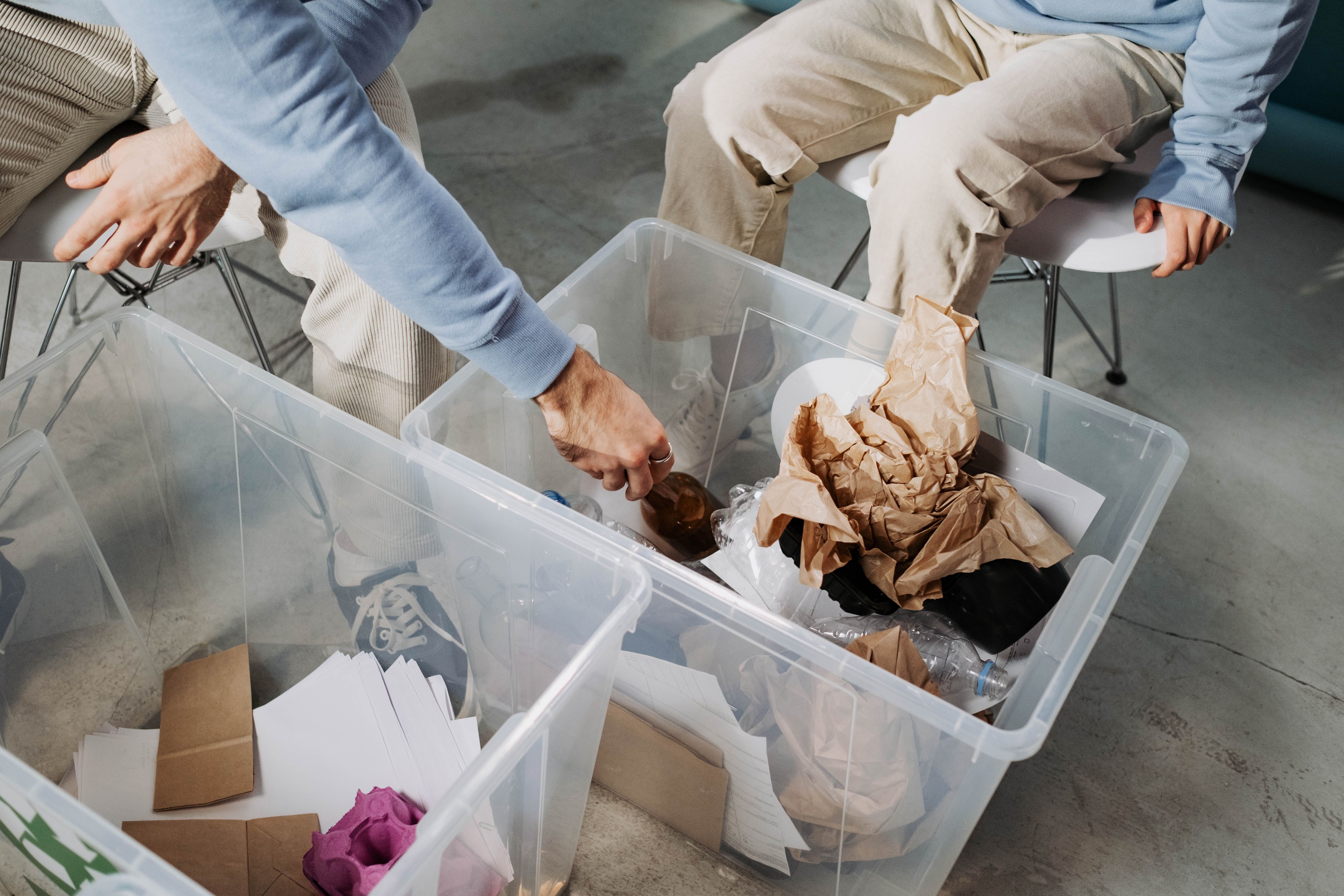
Category 5: What Gets Recycled or Disposed Of?
What About Sentimental Belongings?
Some Options Besides Keeping Everything
Be Careful With Items That May Have Hidden Value
The Garage Deserves Its Own Plan
What If the Family Lives Out of State?
What Happens After Everything Has Been Sorted?
When a senior moves from a longtime home, one question usually becomes obvious very quickly:
What happens to everything in the house?
A smaller home, condo, retirement community, or assisted living residence may only have room for a fraction of the furniture and belongings that have accumulated over decades.
That can leave families looking at closets, cabinets, garages, bedrooms, storage areas, and sometimes an entire house full of possessions without knowing where to begin.
The good news is that everything doesn't have to be handled the same way.
During a well-planned senior downsizing move, belongings generally end up in a few clear categories:
Keep it. Give it to family. Sell it. Donate it. Recycle it. Or dispose of it.
The difficult part is deciding which path makes sense for each item.
Here's how that process typically works.

Start With the New Home, Not the Old One
Before deciding what should leave the house, understand what can actually go to the new residence. This is one of the easiest ways to avoid unnecessary decisions.
If your parent is moving from a three-bedroom home into a one-bedroom condo, there is no reason to spend hours debating where every piece of furniture should go before knowing what will fit.
Start by getting as much information as possible about the new space:
Floor plan
Room dimensions
Closet space
Kitchen storage
Existing appliances
Outdoor space
Storage areas
Furniture provided by the community, if applicable
Then measure the furniture your parent most wants to keep. A favorite chair that fits comfortably may be an easy yes. A twelve-seat dining table going into a small dining nook probably requires another plan.
The goal is not to squeeze as much of the old home as possible into the new one.
The goal is to choose the belongings that will make the new home comfortable, functional, and familiar.
Category 1: What Goes to the New Home?

Start with the items your parent uses, needs, or truly values.
These may include:
Everyday clothing
Favorite furniture
Medications
Important documents
Kitchen essentials
Bedding and towels
Electronics
Personal photographs
Hobby supplies
Books
Artwork
Sentimental belongings
Mobility or medical equipment
Don't think only about necessities. A successful senior transition should also preserve comfort and familiarity. The chair your father always reads in may matter more to him than a newer chair that technically fits better. Your mother's favorite artwork or family photographs may help an unfamiliar apartment feel like home much faster.
Practical decisions matter, but so do emotional ones.
Category 2: What Should Go to Family?
Once you've identified what is moving, the next category is often belongings that family members may want.
This can include:
Family photographs
Jewelry
Artwork
China
Collectibles
Furniture
Holiday decorations
Books
Tools
Family documents
Heirlooms
Items connected to family traditions
One mistake families sometimes make is assuming that someone wants something simply because it has always been considered a family heirloom.
Ask.
A parent may have carefully saved a dining set for a child who already has a dining set and nowhere to put another one.
Likewise, something that appears insignificant may carry a strong memory for a grandchild. Whenever possible, allow family members to express interest before items are sold or donated.
A Simple Way to Handle Family Requests
If multiple people want the same item, decide on a system before emotions get involved.
That might mean:
Following the parent's wishes
Taking turns choosing items
Drawing names
Agreeing as a family
Photographing items and creating a shared list first
The exact method matters less than having a clear one.
Downsizing becomes much harder when every object turns into a family negotiation.
Category 3: What Might Be Worth Selling?
After the items going to the senior and family members are removed, there may still be a large amount left.
Some of those belongings may have resale value.
Potential estate sale items can include:
Furniture
Home décor
Artwork
Jewelry
Collectibles
Tools
Kitchenware
Outdoor furniture
Lamps
Rugs
Vintage items
Household goods
This doesn't mean every old object is valuable. It also doesn't mean something is worthless simply because no one in the family wants it.
That's where professional evaluation can be helpful. Families often underestimate ordinary-looking items while overestimating things that have strong sentimental value but limited resale demand.
Should You Hold an Estate Sale?
An estate sale can make sense during senior downsizing when there are enough marketable belongings to justify organizing a sale.
The decision may depend on:
Quantity of items
Quality and condition
Current buyer demand
Time available before the move or home sale
Accessibility of the home
Amount of work required to prepare the sale
Whether the family wants to manage individual sales themselves
Selling items one at a time through online marketplaces may seem attractive, but it can quickly become another job.
Photographing items, writing listings, answering messages, negotiating prices, arranging pickup, and dealing with no-shows takes time.
For a family already coordinating a senior move, that workload may not be realistic.
Luxe Senior Downsizing can help families connect the sorting process with estate sale planning as part of a broader senior downsizing and relocation plan.
Category 4: What Should Be Donated?
Not everything needs to be sold.
Many perfectly usable household items may have little resale value but could still benefit someone else.
Common donation items may include:
Clothing
Books
Kitchenware
Linens
Small appliances
Furniture
Office supplies
Decorative items
Household goods
Donation can sometimes make the downsizing process move much faster because it removes the pressure to find a buyer for every usable item.
The important distinction is:
Useful does not always mean valuable enough to sell.
Families can lose a surprising amount of time trying to make $10 or $20 from items when the larger move is being delayed.
Sometimes donating the item is the better decision.
Category 5: What Gets Recycled or Disposed Of?
Eventually, every downsizing project reaches items that cannot reasonably be moved, sold, gifted, or donated.
This might include:
Broken furniture
Damaged household goods
Expired products
Old paperwork
Unusable electronics
Worn linens
Damaged clothing
Empty containers
Old cleaning products
Items with missing pieces
The key is not to make this category the first stop. Families under time pressure sometimes begin throwing things away simply because they are overwhelmed.
Instead, disposal should usually happen after the meaningful, valuable, reusable, and family-requested items have been identified. That reduces the chance of accidentally losing something important.
What About Sentimental Belongings?
This is where the process slows down.
And that's okay.
A senior downsizing project isn't the same as cleaning out a storage unit. A box may contain letters from someone who passed away. A cabinet may contain dishes used at every family Thanksgiving. A bedroom may contain belongings connected to children who moved away decades ago.
When an item carries emotional weight, deciding what to do with it may require more than asking whether it fits.

Some Options Besides Keeping Everything
You can:
Keep one representative item.
One favorite teacup may preserve the memory of an entire china set.
Take photographs.
A digital album can preserve the story behind items that aren't practical to keep.
Pass the item to family.
Something may have more meaning to another relative.
Create a memory box.
Choose a limited container for especially meaningful smaller belongings.
Tell the story.
Write a note explaining why an object matters before passing it to someone else.
Sometimes what families want to preserve isn't actually the object.
It's the memory attached to it.
Don't Forget Important Papers
Belongings aren't limited to furniture and household goods. Longtime homes often contain years of paperwork. Before recycling or shredding documents, look for things such as:
Identification records
Property documents
Insurance information
Tax records
Financial documents
Military records
Estate planning documents
Medical paperwork
Birth and marriage certificates
Vehicle records
Family photographs
Important contact information
Create a separate important documents container early in the downsizing process. Don't mix those papers with ordinary boxes. This is one category you definitely don't want disappearing into the estate sale pile.

Be Careful With Items That May Have Hidden Value
Before disposing of older belongings, take a closer look at:
Jewelry
Coins
Watches
Artwork
Vintage furniture
Signed items
Collections
Antique objects
Designer accessories
Older electronics
Military memorabilia
Not every old item is valuable, but families aren't always the best judges of current resale value. If you're uncertain, set the item aside until someone knowledgeable can evaluate it. There's rarely any benefit to making an irreversible decision too quickly.
The Garage Deserves Its Own Plan
Then there is the garage. The place where organized downsizing plans occasionally go to die.
Garages can contain decades of:
Tools
Hardware
Paint
Chemicals
Holiday decorations
Sports equipment
Gardening supplies
Old furniture
Automotive products
Storage boxes
Forgotten household items
Treat the garage like its own downsizing project.
Start with obvious trash and empty containers, then separate tools and usable equipment from hazardous materials or items requiring special disposal.
Don't try to tackle the entire garage at the end of an already exhausting day.
What If the Family Lives Out of State?
Sorting belongings becomes more complicated when adult children don't live nearby. Family members may need to make decisions from another city or state. A simple system can help.
For uncertain items:
Photograph the item.
Give it a number or label.
Send the photo to the appropriate family members.
Record the decision.
Set a deadline for responses.
This prevents boxes from sitting untouched for weeks because someone needs to ask a relative 800 miles away what they want.
For Orange County families handling a move remotely, having a local team can also reduce the amount of travel and coordination required. Luxe provides senior downsizing, estate sale, move management, home preparation, and real estate support throughout Orange County, including communities such as Corona del Mar, where family members may be coordinating a parent's transition from outside Southern California.
What Happens After Everything Has Been Sorted?
Eventually, the house begins to change.
The belongings going to the new residence are packed. Family items are collected. Estate sale items are organized. Donations leave the property. Unusable items are removed. And what began as an overwhelming house full of possessions becomes a manageable project.
But if the senior owned the home, the process may not be finished.
The property may still need:
Final cleanout
Cleaning
Repairs
Home preparation
Staging
Photography
Listing
Real estate coordination
This is why senior downsizing often involves much more than hiring movers.
A moving company can transport boxes.
The bigger challenge is deciding what belongs in those boxes in the first place, and what happens to everything that doesn't.
Luxe Senior Downsizing helps Orange County families connect those steps rather than managing each part separately. Our services include downsizing, estate sale support, move coordination, new-home setup, home preparation, and real estate support.
Learn more about Luxe Senior Downsizing's full-service approach.
A Simple Rule When You're Not Sure
If an item doesn't require an immediate decision, don't force one. Create a temporary “decide later” area. But keep it small. Otherwise, the entire house magically becomes the decide-later area, and we are right back where we started.
Use it only for genuinely difficult items. Then return to that group after the obvious decisions have been completed. By then, the family usually has a better understanding of:
Available space
What has already been kept
What family members want
What may sell
How much time remains
That makes the difficult decisions easier.
Everything Needs a Destination
The most effective way to think about senior downsizing is not:
“How do we get rid of all this stuff?”
Instead, ask:
“Where should each item go next?”
For most belongings, there are only a handful of answers:
New home. Family. Sale. Donation. Recycling. Disposal.
Once every item has a destination, the house stops feeling like one enormous problem.
It becomes a series of smaller decisions.
And that's the real goal of a thoughtful downsizing process: protect what matters, find the right next place for everything else, and help the senior move forward without feeling like their entire life is simply being cleared away.
For seniors and families throughout Orange County who need help managing those decisions, Luxe Senior Downsizing can provide hands-on support from the first sorting session through the move, estate sale, home preparation, and property sale.
Looking for more senior downsizing guidance?
Visit our Senior Downsizing Guides & Resources for practical help with planning, belongings, moving, and preparing the home.